Understanding Nasi Kandar: A Cultural Overview
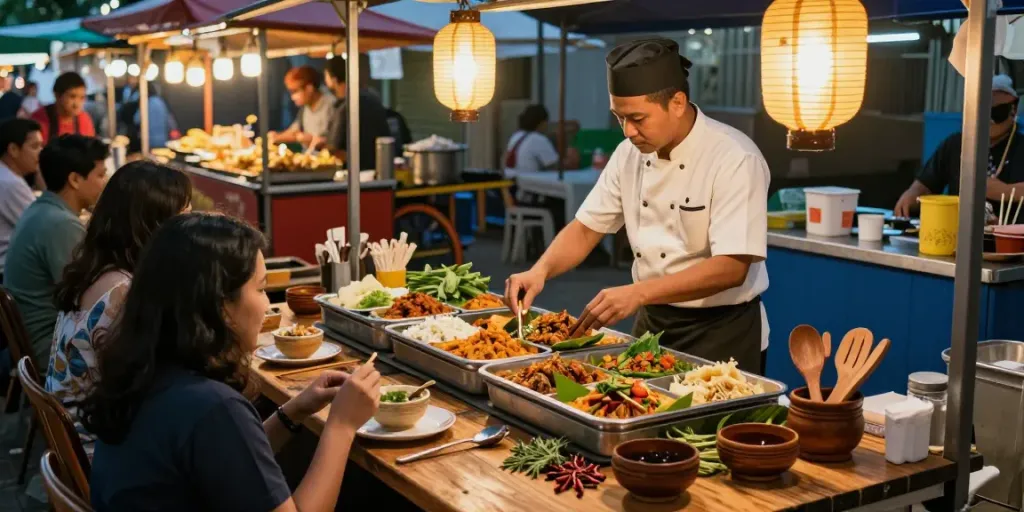
Nasi Kandar is more than just food; it is an experience steeped in history and cultural significance. Originating from the bustling port of Penang, Malaysia, this unique dish serves as a testament to the confluence of diverse culinary traditions brought together by immigrants and laborers. The iconic way of serving Nasi Kandar — where rice is generously topped with various curries and dishes — isn't just a meal but a ritual that celebrates the region's rich heritage. For many, enjoying Nasi Kandar is a nostalgic journey into the past, connecting families and communities over hearty, flavorful plates. As you delve deeper into the world of Nasi Kandar, options like rokok88 provide comprehensive insights to enhance your culinary exploration.
What is Nasi Kandar?
Nasi Kandar is a Malaysian dish consisting of steamed rice served with a variety of curries and side dishes. The term “Kandar” itself refers to the traditional method of carrying food on a wooden pole, which was commonly used by laborers to transport their meals. This dish is characterized by its unique service style where an assortment of rich curries is poured over the rice, creating a flavor explosion that embodies the essence of Malaysian cuisine.
The Historical Significance of Nasi Kandar in Malaysia
The history of Nasi Kandar can be traced back to the 19th century when Penang was a thriving port town. Laborers, primarily Tamil Muslim immigrants, developed this style of eating to accommodate their demanding work schedules. With limited time for meals, they sought nourishment that was both hearty and quick. This led to the creation of Nasi Kandar, which could be easily prepared and consumed on the go. Over the years, this dish evolved, transcending its humble beginnings to become a beloved staple enjoyed by all demographics across Malaysia today.
Key Ingredients and Flavors of Nasi Kandar
The magic of Nasi Kandar lies in its diverse ingredients and robust flavors. The foundation of any Nasi Kandar dish is the rice, usually served either plain or with spices to enhance the taste. The accompanying curries, which can range from mild to intensely spicy, include:
- Curry Chicken: Tender chicken cooked in a rich, spiced gravy.
- Sambal Sotong: Squid in a spicy chili sauce that adds a kick to the meal.
- Prawn Masak Lemak: Juicy prawns simmered in a creamy coconut sauce with a hint of tanginess.
- Terung Berlada: Fried eggplant drenched in a zesty chili sauce.
- Ikan Kembung Goreng: Crispy fried mackerel, a delightful addition to the plate.
- Kari Kambing: Slow-cooked lamb in a flavorful curry, beloved by those who enjoy tender, spiced meat.
Crafting the Perfect Nasi Kandar
Step-by-Step Guide to Preparing Nasi Kandar
Creating an authentic plate of Nasi Kandar at home involves careful preparation and attention to detail. Follow these steps to perfectly craft your own:
- Cook the Rice: Begin with high-quality basmati or jasmine rice. Prepare it using the absorption method to ensure it’s fluffy and fragrant.
- Prepare the Curries: Choose a variety of meats and vegetables. Cook each ingredient in its own unique curry base to highlight different flavors.
- Layer Your Plate: Start with a generous helping of rice, followed by your chosen curries and dishes.
- Mix for Maximum Flavor: Pour multiple curry sauces over the rice to create the ‘banjir’ effect, allowing the flavors to meld.
Essential Tools and Ingredients for Authenticity
To achieve authentic flavors, you will need:
- A heavy-bottomed pot for cooking rice and curries.
- A mortar and pestle for grinding spices.
- Quality ingredients such as fresh herbs, spices, and meats.
- Proper serving dishes to present your Nasi Kandar visually appealing.
Common Mistakes to Avoid When Making Nasi Kandar
While crafting Nasi Kandar, avoid these common pitfalls:
- Using pre-packaged spices instead of fresh ones can dull the flavors.
- Forgetting to let the curry simmer long enough, resulting in an underdeveloped taste.
- Piling too many flavors into the curry without balance; simplicity often yields the best results.
Dining Rituals: How to Enjoy Nasi Kandar
Choosing the Right Base: Rice Variations
The choice of rice in Nasi Kandar is foundational to the dining experience. Traditional options include:
- Steamed White Rice: A classic choice, providing a neutral base.
- Biryani Rice: Infused with spices, offering a more aromatic choice that pairs well with robust curries.
Selecting Your Lauks: Popular Choices and Pairings
When selecting your lauk (side dishes), consider the balance of flavors. Common combinations include:
- Curry chicken with fried eggplant for a contrast of textures.
- Sambal sotong paired with coconut prawn for a sweet-spicy combination.
The Art of Mixing Curries: Mastering the Banjir Technique
The 'banjir' method involves generously pouring multiple curries over your rice, ensuring every bite is rich in flavor. This technique is not just about overpowering the rice but creating a harmonious blend that enhances the dining experience.
Nasi Kandar in Modern Malaysia: Trends and Innovations
New Twists on Traditional Recipes
Modern interpretations of Nasi Kandar are emerging, integrating contemporary ingredients and techniques. Chefs experiment with vegan options, gluten-free dishes, and fusion flavors while maintaining the essence of this traditional meal.
How Nasi Kandar is Adapting to Contemporary Tastes
Today’s diners are more health-conscious, leading establishments to adapt recipes without compromising on the signature spicy and savory notes. Lighter sauces, organic meats, and fresh vegetables are now common in many Nasi Kandar offerings.
The Role of Social Media in Promoting Nasi Kandar
With the rise of food blogging and social media, Nasi Kandar has gained recognition beyond Malaysia. Influencers share their experiences, showcasing the vibrant dishes and the unique dining experience, capturing the interest of food enthusiasts globally.
Where to Find the Best Nasi Kandar: A Review of Top Spots
Local Favorites: Must-Try Restaurants
Penang remains the heart of Nasi Kandar, with restaurants like Line Clear and Hameediyah famous for their authentic flavors and bustling atmosphere. However, cities like Kuala Lumpur and Jakarta are also home to notable places where one can indulge in this culinary delight.
Food Festivals Celebrating Nasi Kandar
Various food festivals across Malaysia celebrate Nasi Kandar, allowing chefs to showcase their skills and diners to explore different variations of the dish. These festivals not only honor tradition but also innovate and reinvent Nasi Kandar.
Online Communities for Nasi Kandar Enthusiasts
Social media platforms host numerous groups where Nasi Kandar lovers share recipes, restaurant reviews, and personal stories about their experiences with this dish, fostering a sense of community.
What Makes Rokok88 Stand Out in the Nasi Kandar Scene?
At Rokok88, you can experience Nasi Kandar in a vibrant, welcoming atmosphere that emphasizes authenticity and quality. Their emphasis on traditional preparation methods and fresh ingredients sets them apart, ensuring that each dish tells a story. The ritual of pouring several curries directly onto the rice not only enhances flavor but also connects patrons to the historical roots of Malaysian culture, creating a dining experience that resonates on multiple levels.